
Technology
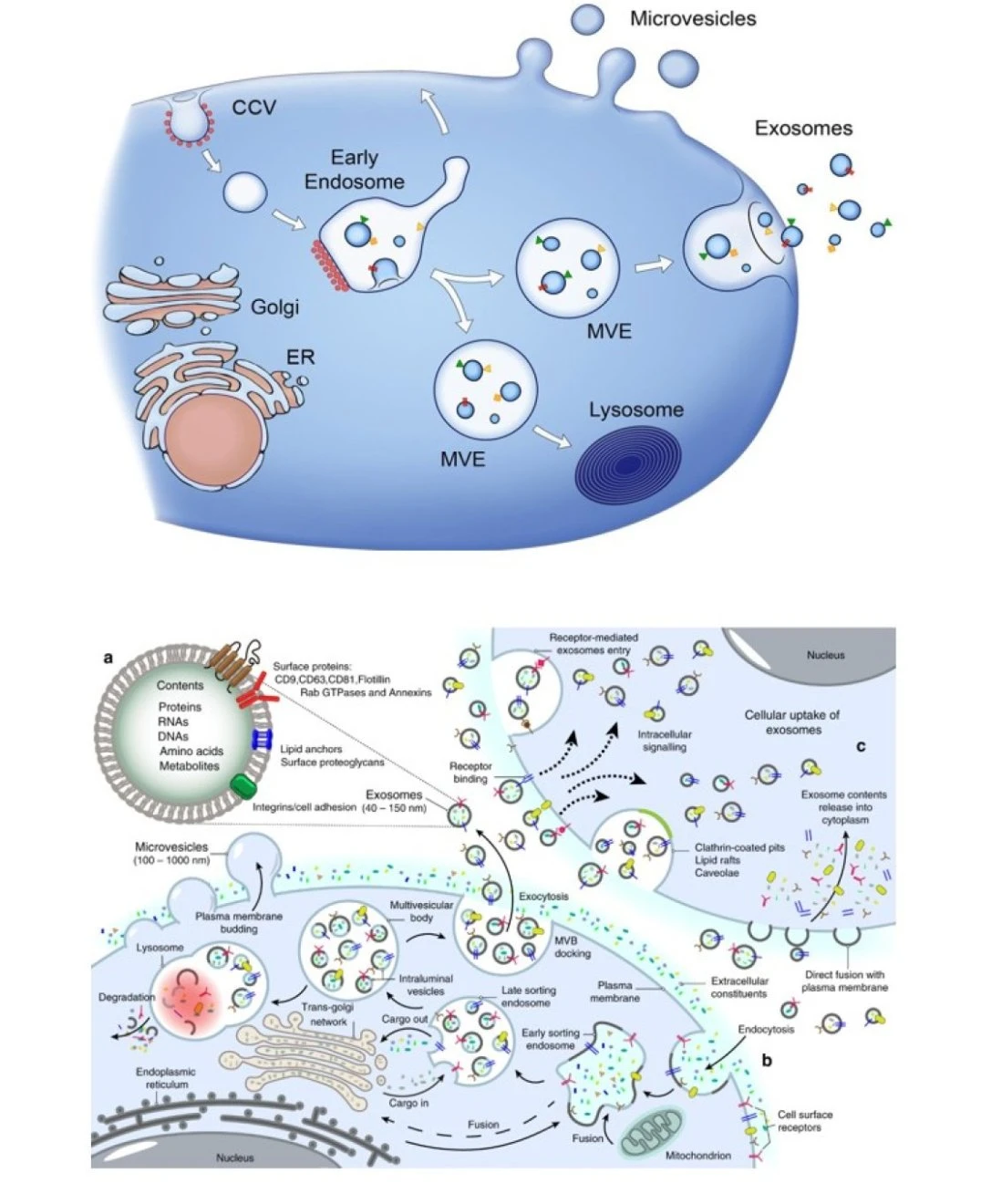
Exosomes (and EVs) are extracellular vesicles released by all cells (eukaryotic or prokaryotic) having a number of complex biological funtions, being able to deliver to recipient cell their cargo in nucleic acids, growth factors, enzimes and a number of other molecules.
They are also enriched with secondary metabolites like flavonoids and polyphenols, acting as potent antioxidants and anti-inflammatory agents, more concentrated in vesicles than in plant tissue.
Deep Hydration: they stimulate production of hyaluronic acid, improving the skin’s barrier function.
Pigmentation Correction: they inhibit excessive melanin formation, helping to reduce age spots.
Enhanced Penetration: They act as superior delivery vehicles for other actives, like peptides or resveratrol.
Post-Treatment Recovery: plant exosome serums are applied after microneedling or laser therapy to reduce downtime, inflammation, and redness.
Hair Restoration: plant exosomes can activate hair follicle stem cells and the beta-catenin pathway to stimulate regrowth and increase hair density.
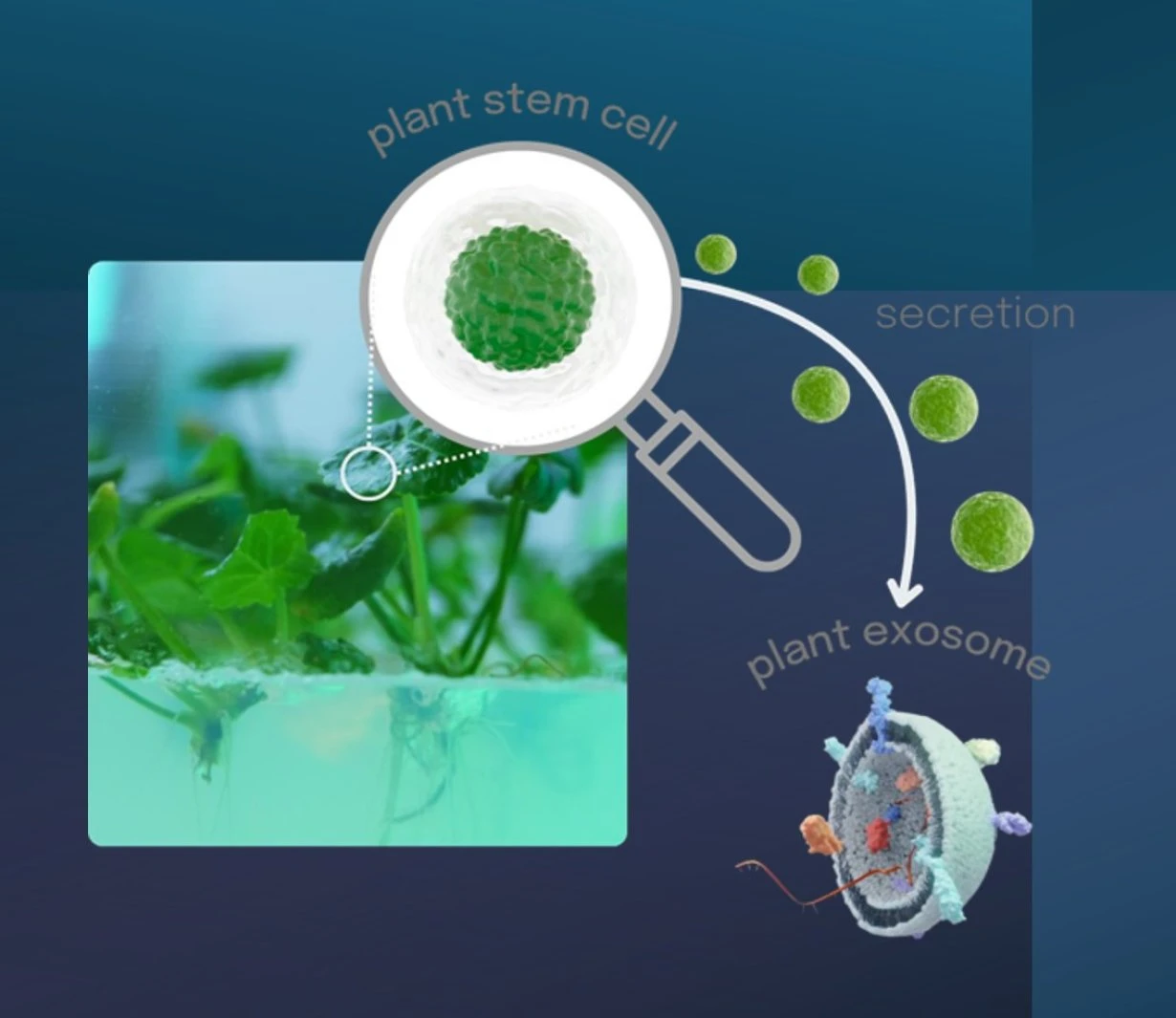
Plant exosomes are perfect for the cosmetic industry
- They are structurally similar to mammalian exosomes
- They originate from a clean natural source
- They can deliver their molecular cargo to mammallian cells effectively
- Their bioactive cargo is pretected from degradation by a lipidic bilayer membrane
- They allow cross-kingdom communication
- They show low immunogenicity
- They don't show toxicity
- They are Vegan friendly
- They are easy to produce in large quantities
Anti-age properties
Exosomes from a number of different plant species are rich in antioxidants, such as polyphenols and flavonoids, that directly neutralize free radicals and reactive oxygen species (ROS) that accelerate skin aging.
Some plant exosomes inhibit the enzymes responsible for breaking down skin structural proteins and stimulate the production of Type I and III collagen, remodeling the extracellular matrix (ECM) and improving skin elasticity.
Plant exosomes contain specialized miRNAs that can cross species barriers and directly regulate the activity of human mRNAs, inhibiting senescence pathways and activating removal of damaged proteins and organelles from cells through autophagy.
Anti-microbial and anti-inflammatory properties
Exosomes from different plant cells, and especially from root cells, are rich in molecules that are key drivers of inflammation or that can modulate or suppress inflammation (phospholipids and glycolipids, miRNAs and small RNAs, small molecules). They can also promote the shift of macrophages from a pro-inflammatory to an anti-inflammatory phenotype.
Moreover, some exosomes have clearly shown antimicrobial properties by directly reducing the virulence of viruses, fungi and bacteria, inhibiting their growth and adhesion, or by enhancing the survival of probiotic agents, or delivering proteins that decompose bacterial/fungal cell walls.
Regenerative properties
Exosomes regenerative properties and mechanisms described in literature include wound healing and tissue repair by modulating inflammation, increasing collagen deposition, promoting angiogenesis and extracellular matrix remodeling. Exosomes can promote the proliferation and migration of fibroblasts and keratinocytes, which are crucial for skin renewal.
Plant-derived exosomes are increasingly recognized as potent agents in regenerative dermatology and aesthetics, providing significant regenerative benefits for skin aging and hair regrowth. They are emerging as a safe alternative to animal-derived exosomes for treating androgenetic alopecia by regulating the hair cycle and stimulating the follicle.
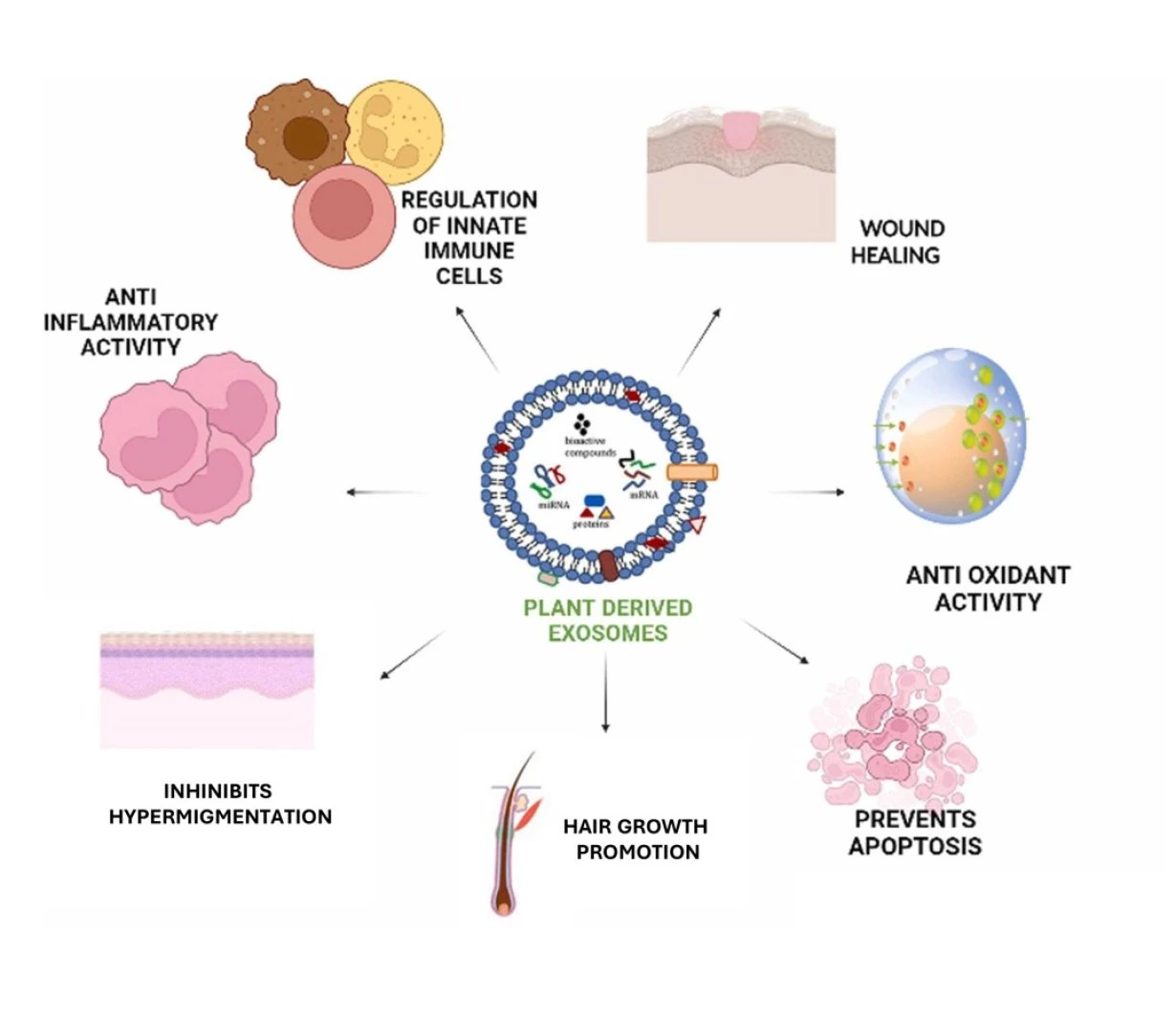
Role of Exosomes in Cosmetics and Aesthetic Medicine
Plant-derived exosomes are rapidly becoming a cornerstone in both aesthetic and therapeutic fields due to their natural biocompatibility and high yield compared to animal-derived versions.
In the beauty industry, plant exosomes are used as "turbo couriers" to deliver active ingredients deeper into the skin than standard topical products.
In regenerative medicine, they are valued for their ability to modulate complex biological pathways to repair or regenerate damaged tissue.